ABA Alternatives in Connecticut: A Parents Guide to DIR/Floortime® & Relationship Based OT
At Growing Through Play, we support children through DIR/Floortime® and pediatric occupational therapy focused on connection, emotional development, and meaningful play.
Understanding ABA Therapy
ABA (Applied Behavior Analysis) is a structured, behavior-based therapy often used for children with autism and developmental differences.
ABA typically focuses on:
Skill repetition and drills
Reward-based learning systems
Adult-directed instruction
Breaking skills into measurable behaviors
While ABA can teach specific skills, many families feel it may be less focused on emotional connection, flexibility, and child-led engagement.
What Is DIR/Floortime®?
A Developmental Alternative to ABA Therapy
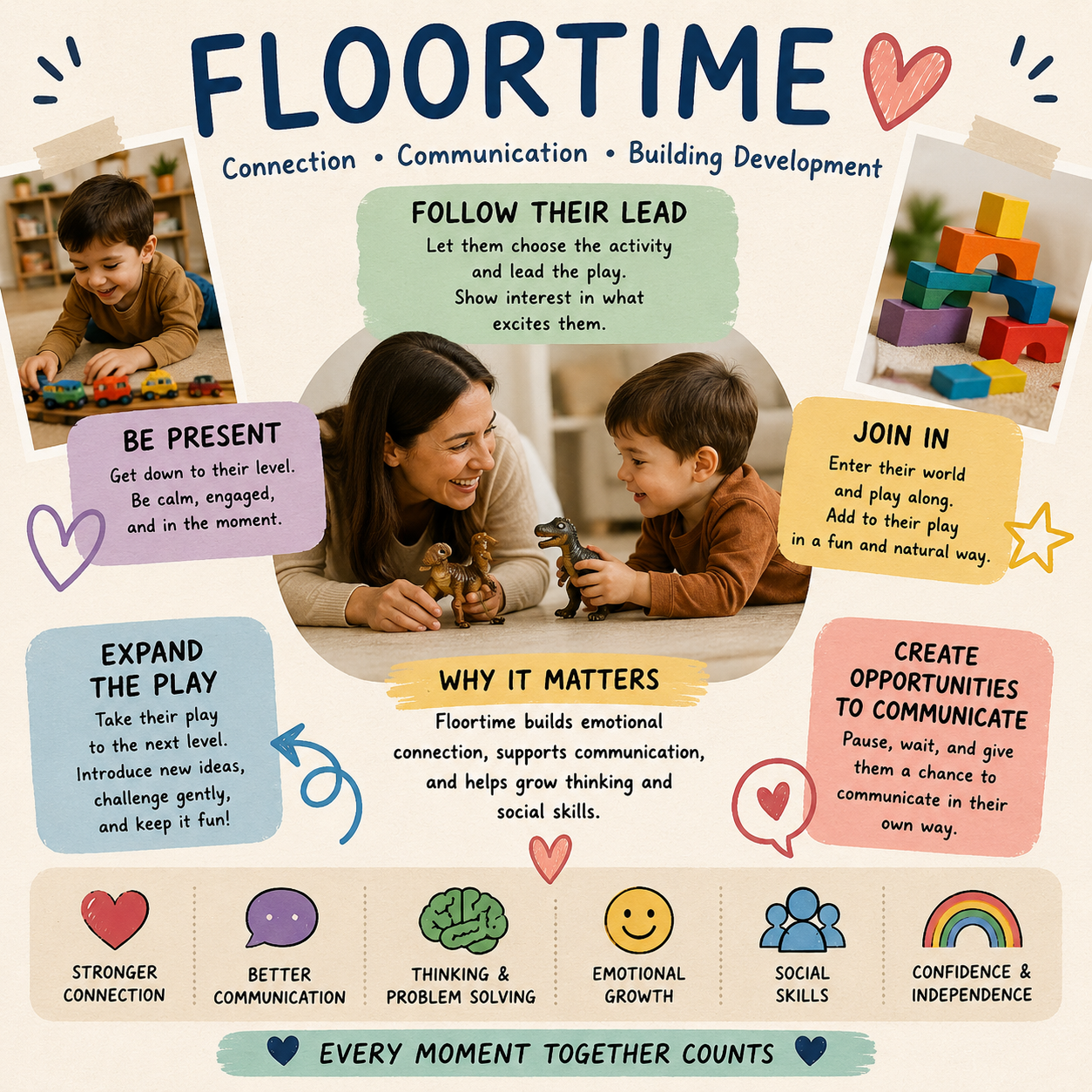
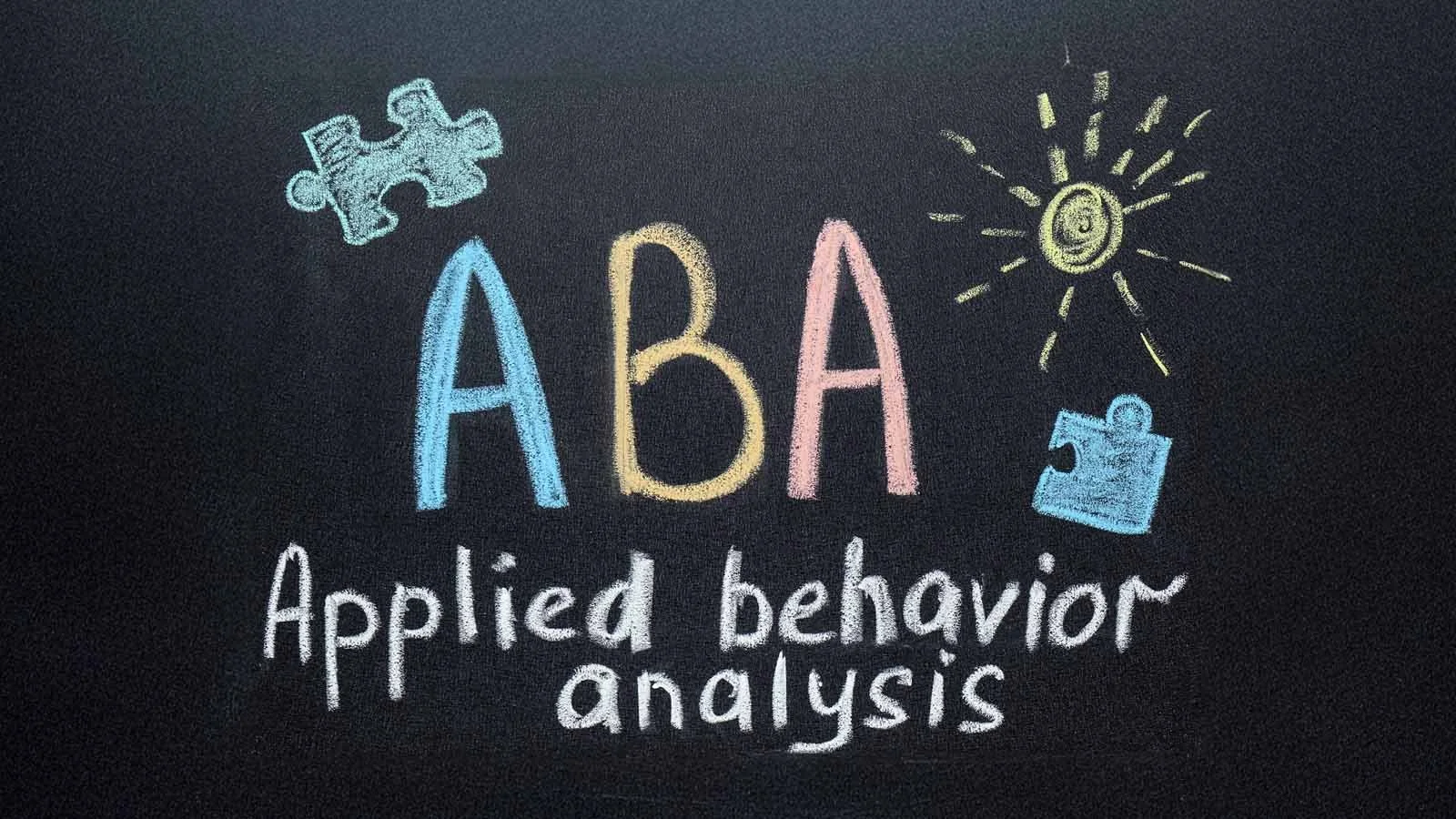
The DIR/Floortime® model (Developmental, Individual Differences, Relationship-Based) focuses on emotional connection, shared attention, and meaningful engagement through play.
At Growing Through Play, we use Floortime to support:
Emotional regulation
Social connection and engagement
Communication through natural interaction
Child-led play experiences
Caregiver-child relationships as the foundation for growth
Instead of directing behavior, we follow the child’s lead and build shared joy, connection, and communication from within relationships.
ABA vs Floortime: Key Differences
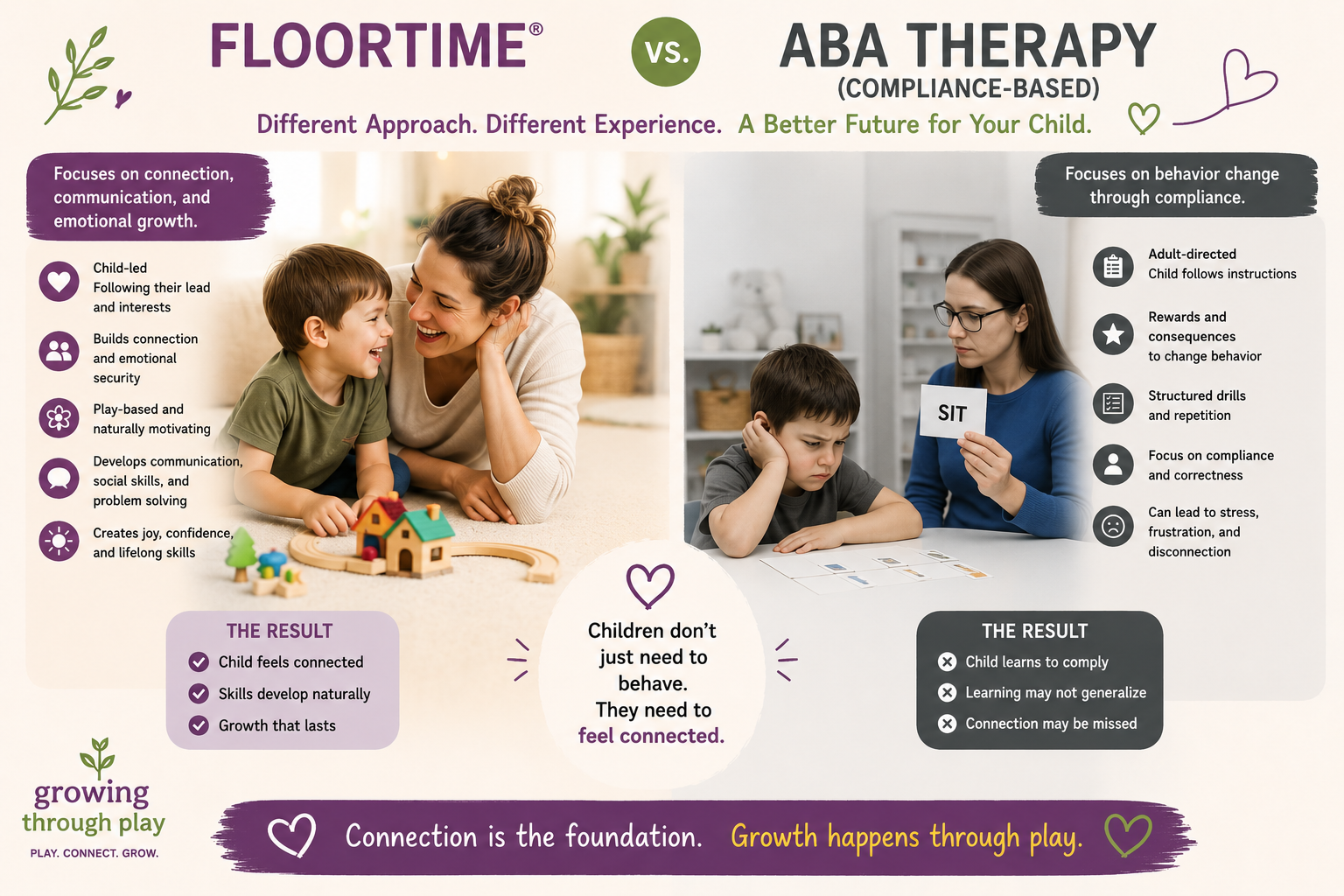
ABA Therapy
Adult-directed instruction Focus on behavior change Structured drills and repetition External rewards for motivation Skill acquisition first Compliance-based goals Session structured by therapist
DIR / Flooring Approach
Child - led interaction Focus on emotional development Intrinsic motivation through connection Relationship and regulation first Connection- based growth Sessions follow child's interests
Many families search for “ABA alternatives in CT” or “Floortime therapy near me” because they want a more:
Natural learning environment
Emotionally supportive approach
Child-led therapy model
Less rigid structure
Stronger parent involvement
Focus on connection, not compliance
Families often tell us they want their child to feel:
Understood
Emotionally safe
Motivated through joy and connection
Why Families Look for ABA Alternatives
A More Natural, Connected Approach to Development

Is Floortime a Good Fit for Your Child?
This approach may be a strong fit if your child:
Has an autism diagnosis or developmental delays
Struggles with emotional regulation or engagement
Has difficulty with transitions or flexibility
Benefits from play-based learning
Needs support building connection and communication
Responds best to warm, responsive caregiving interactions
Serving Wallingford and Surrounding CT Communities
In-Home and Family-Centered Support
We provide DIR/Floortime® and OT services in:
Wallingford
North haven
Branford
Guilford
Madison
Cheshire and surrounding communities